2026 TAIWANfest invites audiences into a cultural dialogue through music and language! Inspired by the resilience of the Taiwanese and the Scottish, this year’s Opening Event weaves together memory, heritage, and innovation.
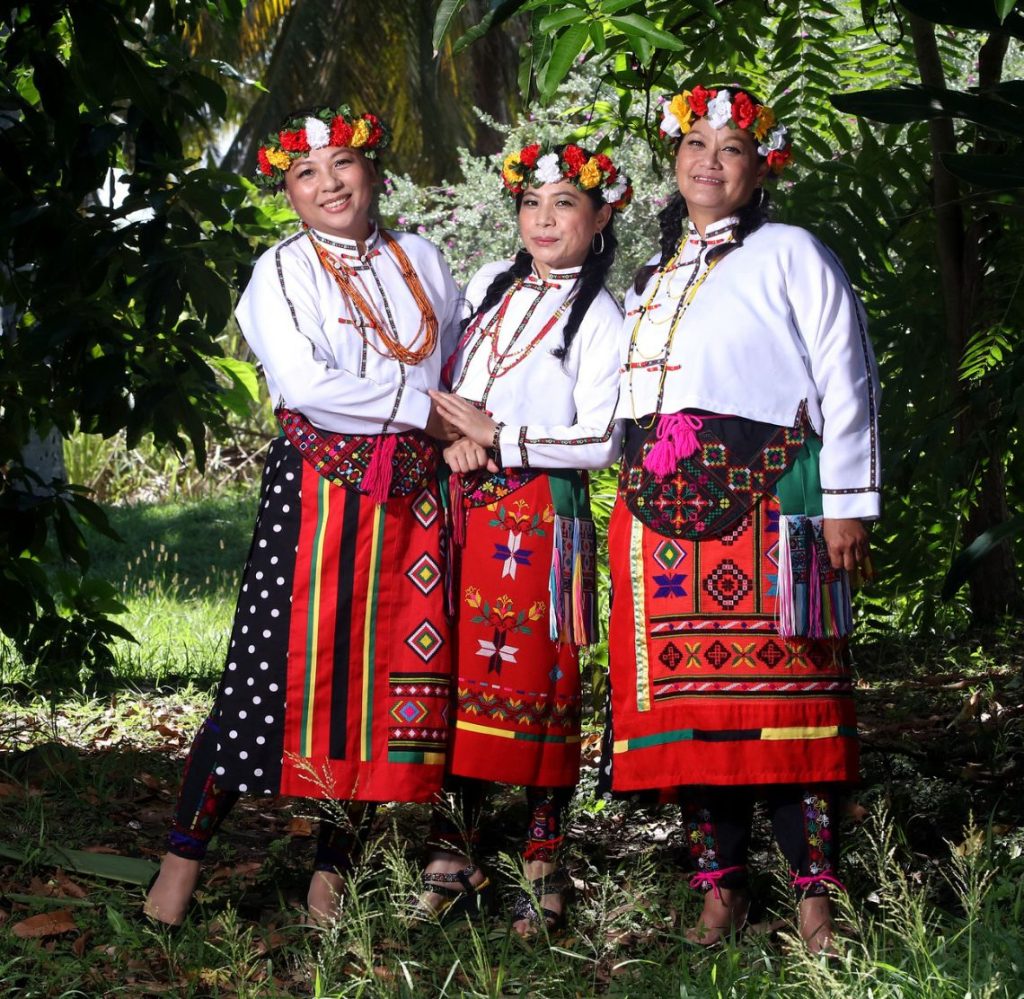
Wander through the beautiful mountains of Taitung with the Nanwang Sisters, as their powerful voices harmonize the songs of the Pinuyumayan people. Singing in their mother tongue, they bring stories from the east coast of Taiwan. Featuring a special surprise guest from Canada’s own East Coast!


The Nanwang Sisters—Samingad, Lavaus, and I hua—represent a highly symbolic generation in the development of Taiwan’s Indigenous music. They grew up during a time when society was still rife with prejudice against Indigenous identity, an era when many singers were forced to conceal their Indigenous background or were cast by the mainstream market as “mountain singers.” Yet the Nanwang Sisters chose music as a means of resistance and healing—using their voices to preserve their mother tongue, recount memories, and redefine the meaning of “singing their own songs.”
The 2009 self-titled album Nanwang Sisters won Best Vocal Group, Best Indigenous Language Album, and Best Album Producer at the 20th Golden Melody Awards, marking a milestone in which Indigenous music was officially recognized by mainstream culture. Subsequent works, including the album Baliwakes and the musical It’s Been a Long Time Since You Honoured Me, further blended Indigenous memory with the modern stage, reconstructing the life narratives of Taiwan’s Indigenous peoples through the interplay of music and theatre.
The music of the Nanwang Sisters deserves to be heard by the world—not because of who they represent, but because their voices heal the wounds of a generation and allow the world to hear the dignity that Indigenous peoples continue to sing of, even amidst colonization, displacement, and neglect. Through their harmonies, “the mountains” become more than just mountains; they are the enduring spirit of a people and a resonance that transcends time and place.

用聲音,向你的朋友介紹台灣。
為什麼叫「山的呼喚」?
因為島嶼多山,為語言建立起了天然的城牆,在現代化之前,為我們保存了珍貴多樣的國家語言。
因為島嶼多山,台灣的音樂與山的記憶是緊密的。客家人用山歌傳情,許多原住民的音樂則與山林的生活相依。
山,建構出台灣人的身份。
南王姊妹花,來自卑南族南王部落 ,她們用和聲跨越世代,傳唱文化記憶。以卑南族語,承載時代的重量,成為療癒和抵抗的力量。
今年的開幕音樂會,邀請你,用聲音向你的朋友介紹那小小多山的台灣。
多倫多限定!加拿大原住民演出嘉賓驚喜登場。


由諭芹(Samingad)、惠琴(Lavaus) 與 美花(I hua) 組成的南王姊妹花,是在台灣原住民族音樂發展中極具象徵性的一代。她們成長於社會仍對原住民身分充滿偏見的時期,那是許多歌手被迫隱藏族群身份或被主流市場塑造成「山地歌手」的年代。然而,南王姊妹花選擇以音樂作為抵抗與療癒的方式——用歌聲延續母語、述說記憶,也重新定義「唱自己的歌」的意義。
2009 年的同名專輯《南王姊妹花》,榮獲第20屆金曲獎 最佳演唱組合、最佳原住民語專輯與最佳專輯製作人,是原住民族音樂被主流文化正式聽見的象徵。而後的《巴力瓦格斯(Baliwakes)》專輯與音樂劇《很久沒有敬我了你》,更讓族群記憶與現代舞台相互交融,在樂音與劇場之間重構台灣原住民的生命敘事。
南王姊妹花的音樂值得被世界聽見——不是因她們代表誰,而是因她們的歌聲能療癒那一代人的傷口,也讓全世界聽見原住民族在殖民、流離與被遺忘之中仍堅持唱出的尊嚴。她們的和聲,讓「山」不只是山,而是一段民族靈魂的延續,一種跨越時間與地域的共鳴。
TAIWANfest Toronto is grateful to be held on the traditional, ancestral, and unceded territories of many nations, including the Mississaugas of the Credit, the Anishnabeg, the Chippewa, the Haudenosaunee and the Wendat peoples, that is now home to many diverse First Nations, Inuit and Métis peoples. We acknowledge our privilege to be gathered here, and commit to work with and be respectful to the Indigenous peoples of this land while we engage in meaningful conversations of culture and reconciliation.