2023
About the Program
Why is the traditional Japanese tableware “Rikyu Chopsticks” sharpened on both ends? What is the relationship between the pottery deities in Taiwanese temples and the lives of the ordinary people?
Crafts play an extremely important role in Taiwan’s daily life, and behind them are profound cultural significance and metaphysical aesthetic value. These works are not just utensils and tools. They show the human pursuit of beauty and reflect the pondering on the meaning of life. By understanding the cultural value of crafts, we are able to reinterpret them beyond the physical level.
Come and learn about the significance of craft works and explores their value. By studying the creative thinking and values of the craftsmen, we catch a glimpse of the philosophy behind these works. It is also an opportunity to reflect on our own understanding of life, as well as our connection to the world.
Whether you are a craft lover or an explorer who pursues cultural depth, this talk will open your eyes to new perspectives and knowledge. Let us embark on this journey to discover the unknown side of crafts, and gain a better understanding of the essence of Taiwanese culture. Unveil the truth behind the craft works, and experience the aesthetics in a new light.
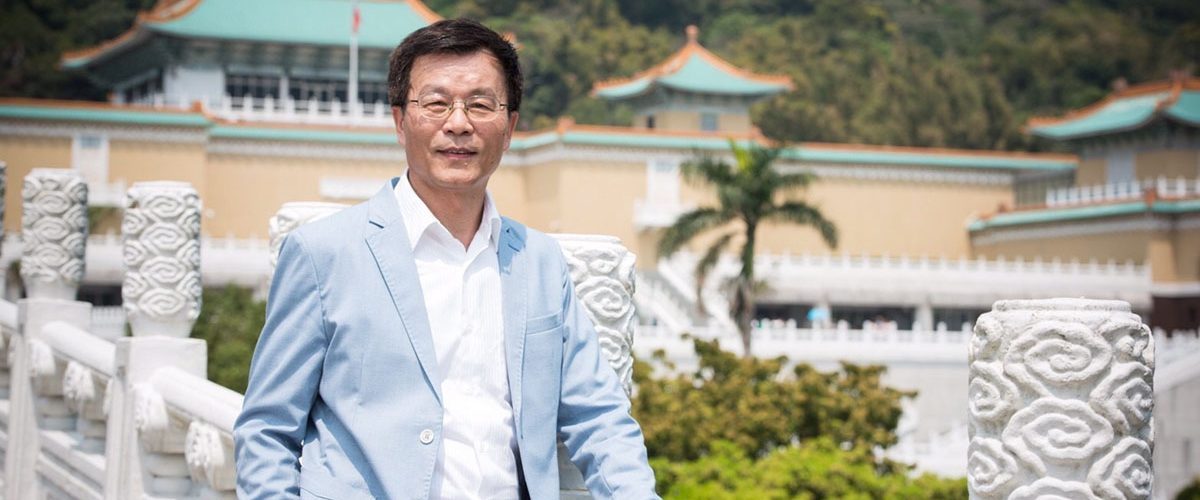
Mr. Jeng-Yi Lin has held many important positions in his life: Director of the National Palace Museum, Director of the National Taiwan Craft Research and Development Institute, Director of the National Taiwan Museum of Fine Arts, Chief Secretary of the Cultural Construction Committee of the Executive Yuan, and General Director of the Chimei Museum. He has an academic background in journalism, literature, and cultural heritage. With over 30 years of experience in Taiwan’s cultural and artistic field, he possesses bountiful experience in adapting operational management strategies to respond to changes in Taiwan’s social landscape, as well as engaging in international dialogues.
Driven by the vision of constructing Taiwan’s cultural subjectivity and promoting art education, his endeavors include conducting research, collection, exhibition, and educational work on Taiwan’s history and culture. He has also advocated for research and educational promotion centered around Taiwanese art, as well as the modernization and internationalization of Taiwanese craftsmanship, to establish Taiwan’s position in the international realm. He has proposed the concept of “publicization of the National Palace Museum” to strengthen its connections with international and local cultural innovations.
From the Curating Team
Canada's multiculturalism is shaped by its diverse immigrant population, reflecting centuries of worldwide exchanges. TAIWANfest explores the historical impacts of the Era of Exploration, emphasizing cultural exchange and integration. In light of changing global dynamics, Canada can develop a more inclusive "Chinese-Canadian" worldview through the study of Taiwan's history under Dutch colonization.
Contact Us
Performance / Vendor / Sponsorship Opportunities

TAIWANfest Toronto is grateful to be held on the traditional, ancestral, and unceded territories of many nations, including the Mississaugas of the Credit, the Anishnabeg, the Chippewa, the Haudenosaunee and the Wendat peoples, that is now home to many diverse First Nations, Inuit and Métis peoples. We acknowledge our privilege to be gathered here, and commit to work with and be respectful to the Indigenous peoples of this land while we engage in meaningful conversations of culture and reconciliation.