Workshop
工作坊
Pickling Together
「漬」在一起吃
About the Program
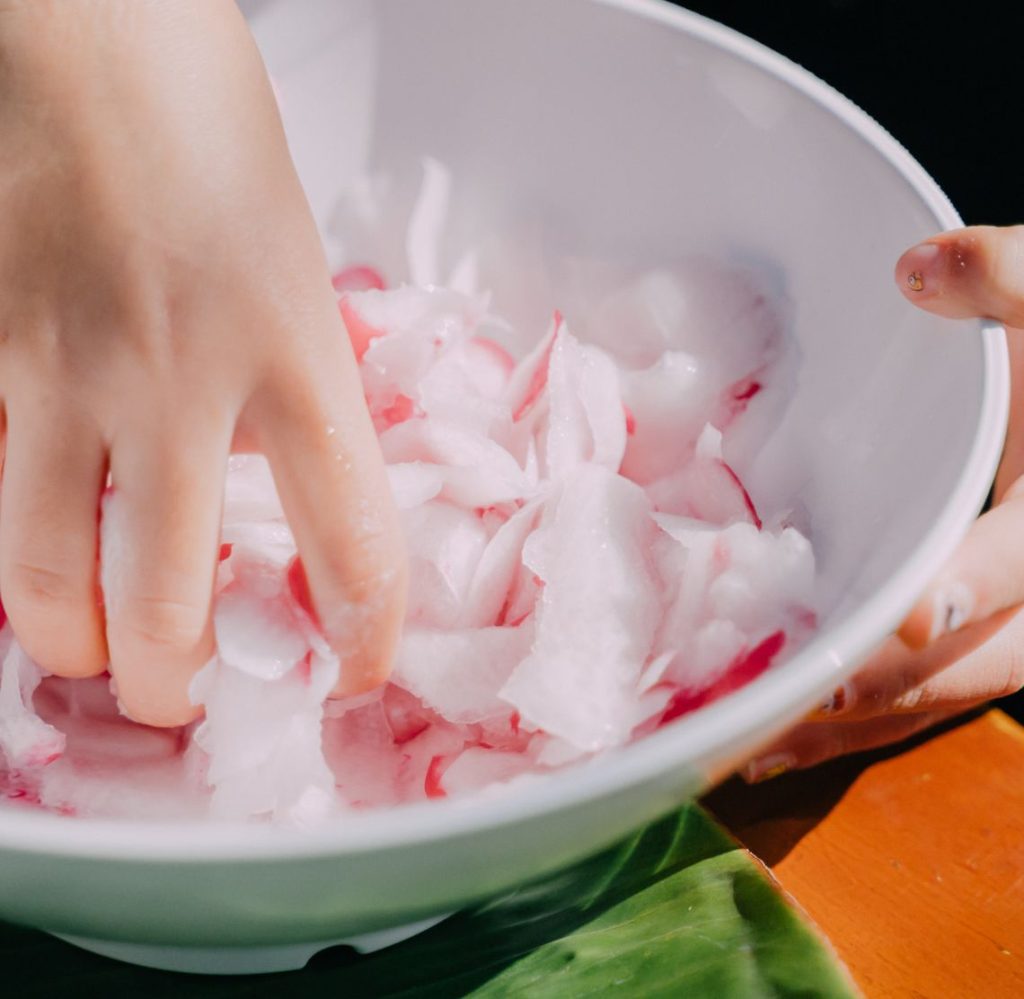
Starting from the Hakka tradition of pickling (“漬”), this workshop connects participants from three different stages of life through the shared ritual of eating three meals a day, creating new food memories that link people to each other, their environment, and their culture.
In learning from elders, we explore seasonal wisdom embedded in traditional techniques—understanding that preserved foods are a form of terroir concentrated over time. We hope to offer children a deeply felt experience, one that, like pickling, must unfold slowly and with care.
Our brand, “Little Picklers’ Taste Journey”, focuses on nurturing appreciation for seasonal cycles. We explore how traditional pickling can be translated into something children are curious about and eager to engage with. The goal isn’t to master the craft itself, but to spark curiosity through everyday life. In this way, the spirit of pickling takes root in childhood—not just as something to eat, but as a meaningful act of knowing why we eat what we eat.
Food becomes a flowing, vital force in everyday life, slowly building a personal cultural depth.
The cultural gaps we experienced as children now inspire us to grow up again alongside our kids—reclaiming lost memories while helping traditional food culture become more accessible and meaningful within the family.
There are no strict rules in pickling. Together, let’s create a unique pickled flavour that belongs to your family. New food memories begin at your dining table!
Participants must prepare the following items to join the workshop. They will not be provided on site!
- Airtight container or glass jar with a lid. Minimum 500 ml, for taking the finished pickled product home.
- One pair of chopsticks: For food safety and environmental reasons, please avoid using disposable chopsticks.
- One spoon: For food safety and environmental reasons, please avoid using disposable spoons.
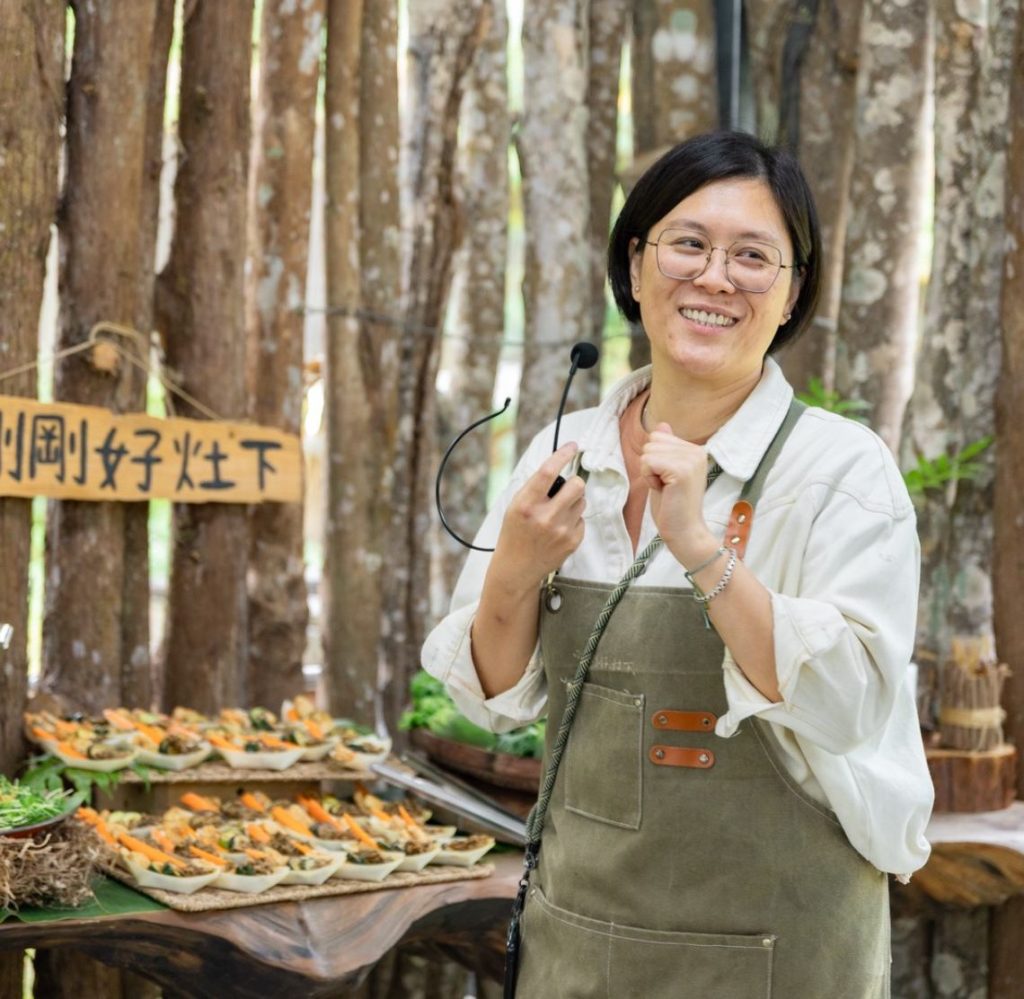
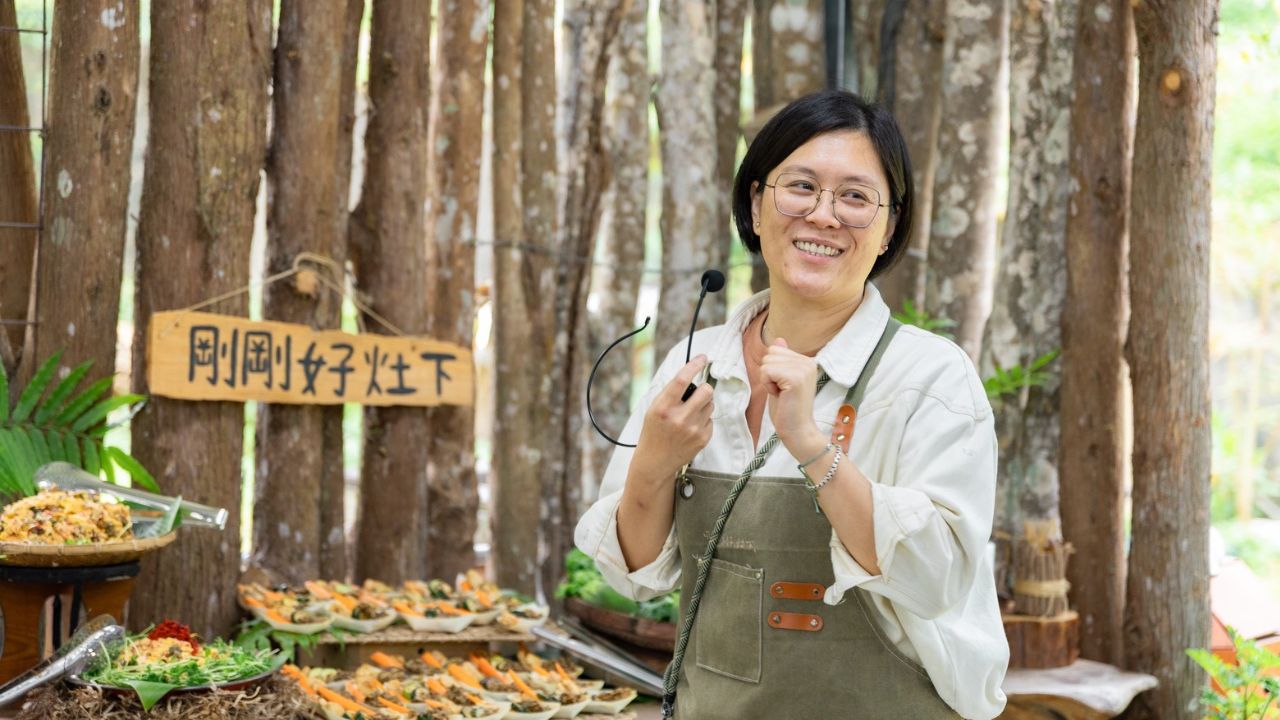
Mu-Jhen Chen, affectionately known as “Mumu,” is the one behind “Just Right - Cooking Beneath the Stove”, and a young woman in the ongoing journey of discovering her own sense of value.
A single question sparked her path of identity exploration—she realized that the absence of shared empathy could itself become a beginning. This realization brought her closer to the Hakka food culture that had always been nearby, yet somehow felt distant.
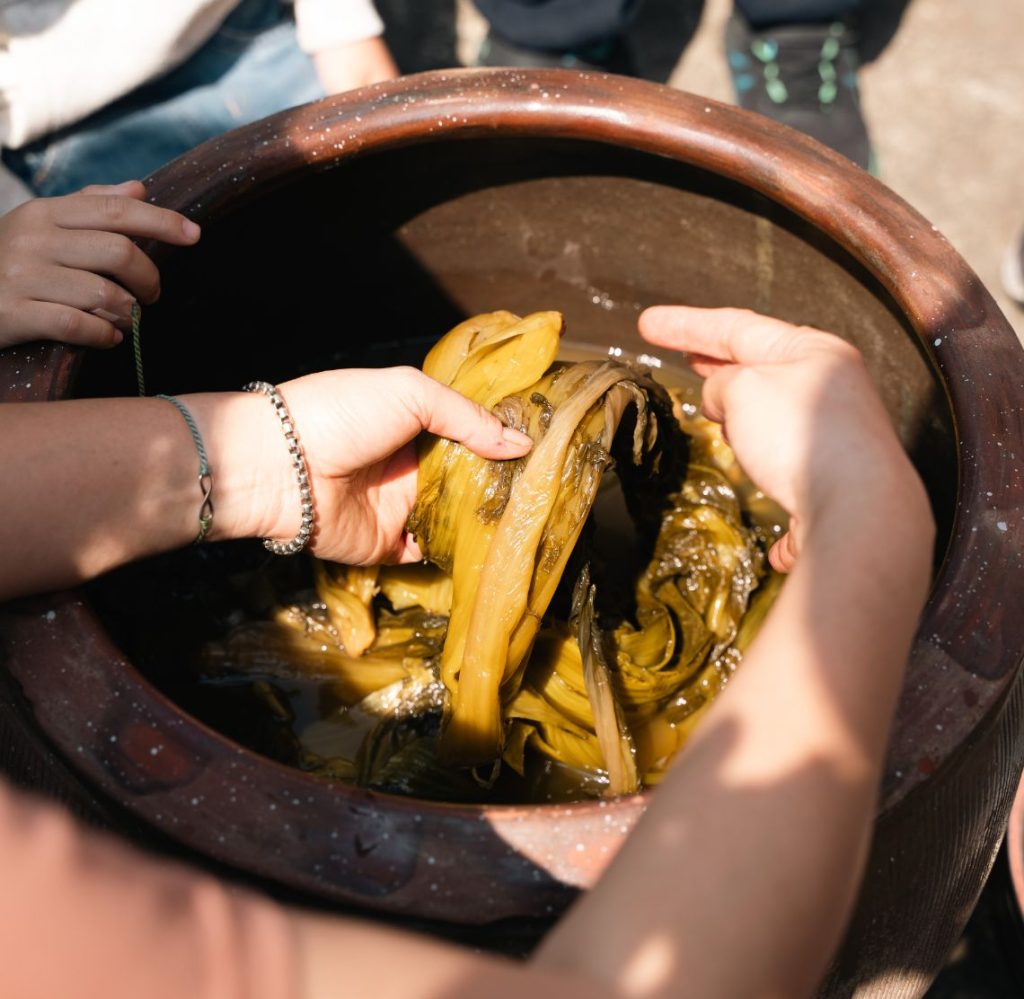
Through her continuous study and practice of Hakka pickling techniques, she began to understand that this is not just a method of food preservation, but a form of dialogue—with life, memory, and emotion. Mumu has a natural ability to deconstruct the subtle yet profound elements of traditional daily life and reassemble them into a contemporary culinary language. In doing so, she brings flavours back to the dining table and restores connections between people, creating new and meaningful food memories.
She believes that food is not merely knowledge to be learned, but a lived experience to be felt and practiced. Through food education and sensory engagement, she works to help people—both children and adults—reconnect with their food culture and understand their relationship with the land. In her vision, culture flows gently through everyday life.
To her, “Just Right” is more than a balanced taste—it’s a rhythm of living in harmony. The pickling and fermenting she does with her hands represents a new way to engage in conversation with identity itself. She hopes these hands will continue shaping a culinary map that reflects her own unique path.
From the Curating Team
節目介紹
從客家醃漬的「漬」出發,串連三個不同生命階段的對象,用一日三餐的吃,創造人與人、人與環境、人與文化新的食物記憶。 在傳統技藝裡向長輩學習節氣智慧,暸解到醃漬保存食是用時間濃縮的風土,想讓孩子們有感體驗,就跟醃漬一樣要慢慢來。 小漬孩食趣養成是品牌持續在深化的主題,如何在年復一年的節氣裡,把傳統的醃漬轉譯成孩子們感興趣也願意學習體驗的,技藝不是重點,誘發孩子們在生活裡的發現,讓醃漬精神在成長的時光裡扎根,不只是吃而是知道爲什麼而吃,讓吃成為生活流動的重要能量,慢慢堆疊屬於自己的文化厚度。 小時候缺失的文化累積,讓我想跟孩子們再長大一次,在陪伴的同時也找回遺失的記憶,也是讓傳統飲食文化更親近家庭的選擇。 醃漬沒有標準,一起來創造屬於你們家的醃漬風味,新的食物記憶就在你家餐桌。
以下器具需要自行準備才能參與此工作坊,現場恕不提供:
- 保鮮盒或有蓋玻璃罐:不小於500ml,裝醃漬完成的成品回家
- 筷子一雙(為了食物安全與環保,請注意不要用免洗筷)
- 湯匙一支(為了食物安全與環保,請注意不要用免洗湯匙)
陳慕貞(慕慕),是「剛剛好。灶下」的料理手,也是一位正在尋找自身價值的女孩。
在一次提問中,她發現「缺乏共感」成為她展開認同探索的起點,也因此重新遇見那原本就在身邊卻顯得遙遠的客家飲食文化。
在持續學習、累積與實作客家醃漬技藝的過程中,她漸漸意識到,這門技藝不只是保存食物的方法,更是一種與生活、記憶與情感對話的方式。她擅長拆解日常中微小卻深刻的傳統元素,並重新組合成符合當代語境的飲食風景,讓味道回到餐桌、也回到人與人之間,創造獨特的食物記憶。
她相信,飲食不只是知識的學習,更是一種可以被感受、被實踐的生命狀態。透過食農教育與感官開啟,她嘗試陪伴人們重新靠近自己的飲食與文化。不論是孩子還是大人,都能從「做」與「吃」之中,認識自己與土地的關係,讓文化在生活中自然流動。
對她來說,「剛剛好」不只是味道的平衡,更是一種與生活和諧相處的節奏。而雙手中進行的醃漬與發酵,也是一種與身份認同對話的新可能。她期望這雙手能持續描繪出屬於自己樣貌的飲食地圖。
策展團隊的話
Contact Us
Performance / Vendor / Sponsorship Opportunities

TAIWANfest Toronto is grateful to be held on the traditional, ancestral, and unceded territories of many nations, including the Mississaugas of the Credit, the Anishnabeg, the Chippewa, the Haudenosaunee and the Wendat peoples, that is now home to many diverse First Nations, Inuit and Métis peoples. We acknowledge our privilege to be gathered here, and commit to work with and be respectful to the Indigenous peoples of this land while we engage in meaningful conversations of culture and reconciliation.