Featured Performance
焦點表演
Rally For Taiwan: Music in the Soundscape of Democracy
拉力台灣:音樂在民主的聲場中
Aug 23
8月 23日
5:30PM - 9:00PM
About the Program
In Taiwan, music has never been just entertainment—it is a rallying cry, a language of the land, and a voice of the people.
Since the lifting of martial law in the late 1980s, music has played a vital role in Taiwan’s democratization, finding new meaning in the streets, political rallies, and protest movements. Rally For Taiwan is a tribute to this cultural phenomenon, honouring how sound has shaped the island’s journey toward democracy and self-expression.
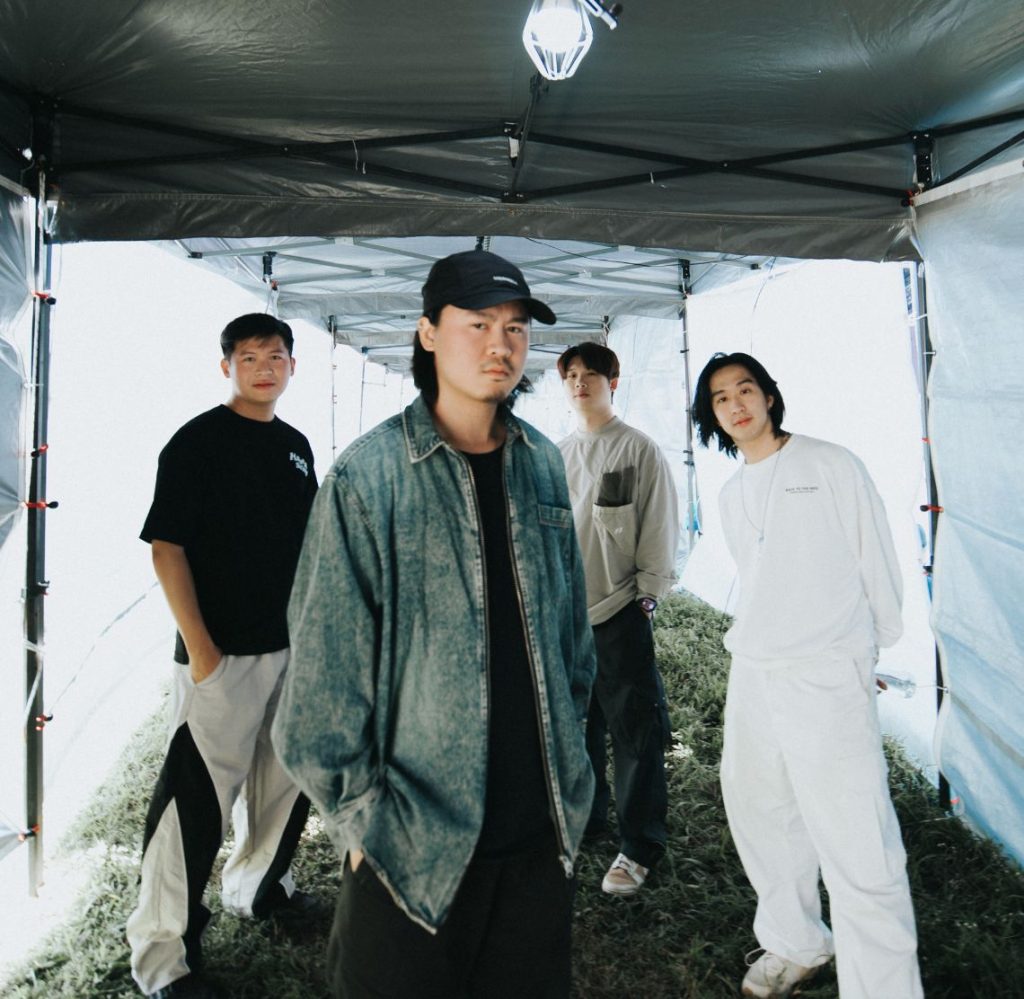
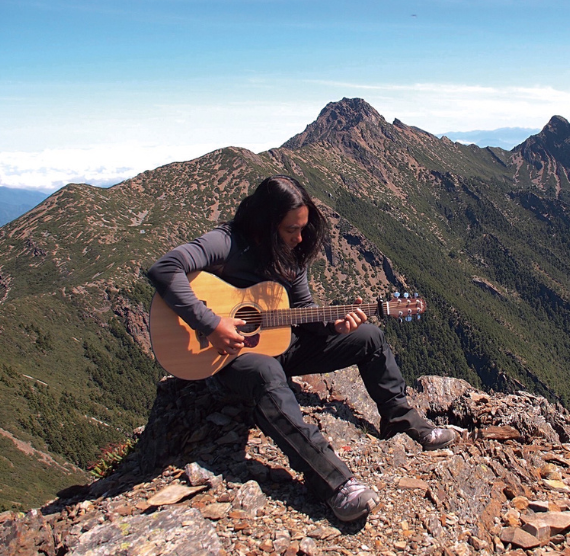
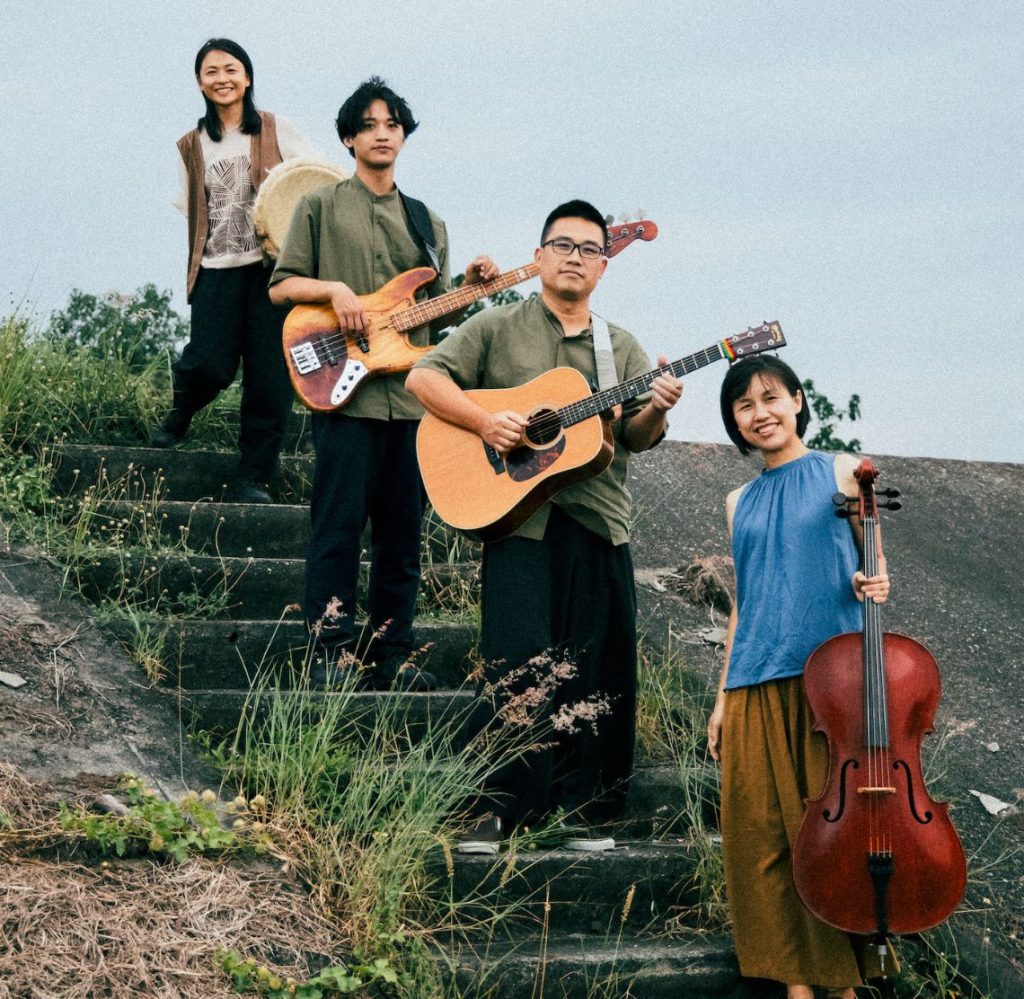
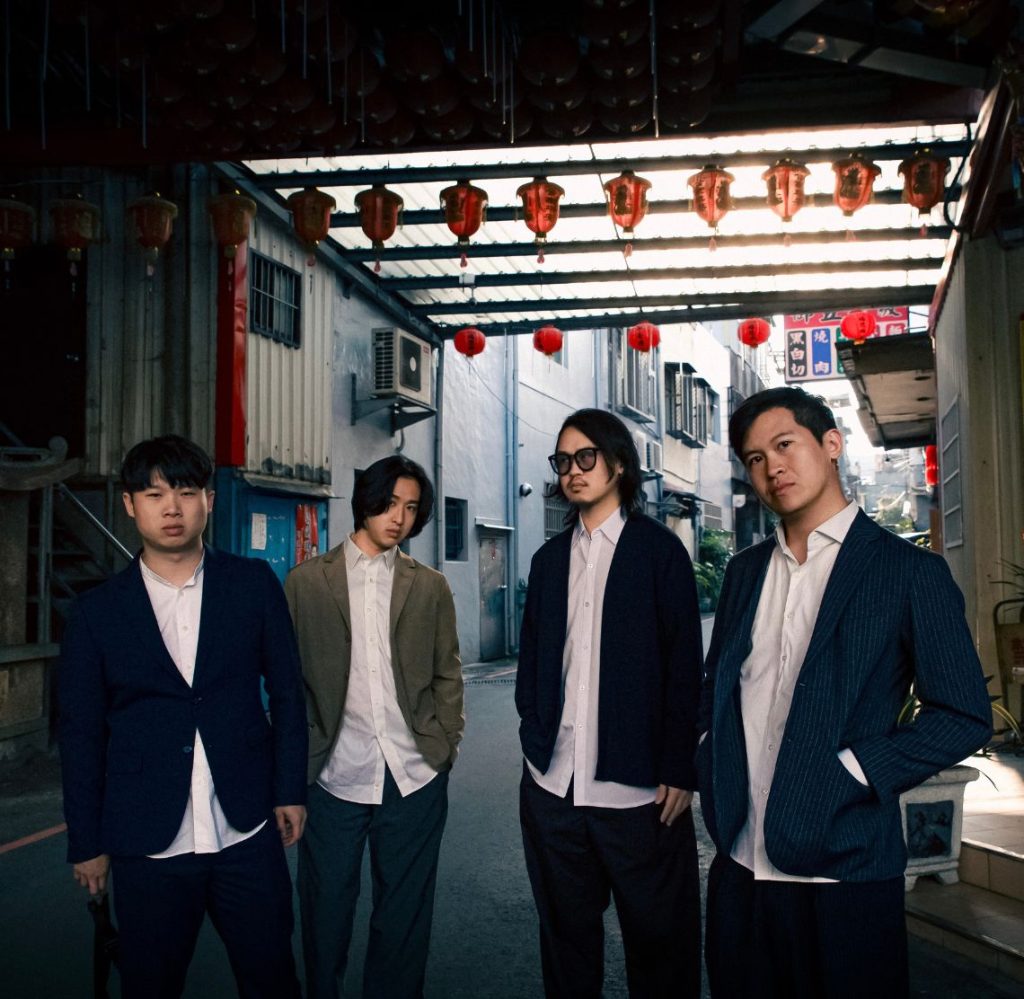
From campaign songs adapted from old Taiwanese folk melodies to performances by bands like TUDI-VOICE, Fire EX., and Lin Sheng-Xiang at anti-nuclear protests, anti-media monopoly rallies, and the Sunflower Movement, music is deeply embedded in the collective memory of Taiwan’s civil society. Songs carry both demands and stories—they serve as alarms of their time, stirring public awareness of injustice. The use of language in music also bears powerful symbolic weight: mother tongue music often represents a response to historical suppression and a means of reclaiming identity.
Similar cultural phenomena have emerged during pivotal political struggles around the world. In the United States, the Freedom Songs of the 1960s civil rights movement combined gospel, spirituals, and call-and-response to fuel activism and communal resolve. In Chile, the Nueva Canción (New Song) movement of the early 1970s used Andean folk traditions to resist dictatorship and cultural colonization. In South Africa, Struggle Music flourished during the 1970s and 1980s as a potent fusion of rhythm and resistance, embodying the fight against apartheid.
What sets Taiwan apart is its multilingual, multicultural soundscape. Taiwanese Hokkien, Hakka, Indigenous languages, and Mandarin co-exist within its political and artistic expression, creating a chorus of intersecting identities. Music in Taiwan is not only a tool of resistance—it is a site of cultural reconstruction and historical reckoning. Like Portugal’s Fado, Taiwan’s politically charged folk and rock music carries saudade—a longing for justice, for home, for dignity. But unlike the introspective melancholy of Fado, Taiwan’s rally music is urgent, rhythmic, and emotionally direct—crafted for the crowd, the street, and the moment.
Rally For Taiwan is not just a performance. It is a living archive—a testimony to how a people sang their way through authoritarianism and into democracy. And as the music rises again, it invites all of us to ask: when the chorus begins, will we lend our voices to the song?
節目介紹
在台灣,音樂從來不只是娛樂,它是動員的號角,是土地的語言,是人民的聲音。在台灣的民主化歷程中,尤其自1980年代末期戒嚴解除以來,音樂不斷在街頭、造勢場合與社會運動現場中被重新定義。拉力台灣這場音樂節目,正是對這段歷史與文化脈絡的回應與致敬。
從候選人將老歌改編為競選歌曲,到樂團如農村武裝青年、滅火器、林生祥等在反核、反媒體壟斷、318學運等關鍵時刻獻聲演出,音樂深植於台灣公民社會的集體記憶。歌曲承載著訴求與故事,成為時代的警鐘,喚醒對不公義現狀的關注。音樂中的語言使用亦具有強烈的象徵意義,母語音樂經常代表著對歷史壓抑的回應與身份認同的重建。
在全球各地關鍵性的政治抗爭時刻,也出現了類似的文化現象。在美國,1960 年代民權運動中的「自由之歌」(Freedom Songs)結合福音音樂、靈歌以及呼喊與回應的傳統,成為激勵行動與凝聚群體意志的力量。在智利,1970 年代初期的「新歌運動」(Nueva Canción)運用安地斯民間音樂傳統,對抗獨裁政權與文化殖民。在南非,1970 至 1980 年代興起的「抗爭音樂」(Struggle Music),則融合節奏與抵抗精神,具體體現反對種族隔離制度的鬥爭精神。
然而,台灣的音樂場域在語言與歷史交織下展現獨特面貌。台語、客語、原住民族語與華語並存於政治與文化聲音之中,形成多語共鳴的民主文化。這樣的聲場,不僅使音樂成為集體情緒與價值認同的出口,也使藝術與政治行動緊密連結。與葡萄牙的法朵(Fado)一樣,台灣的政治音樂也蘊含 Saudade 式的愁緒與情感張力,但它更進一步轉化為街頭現場的行動語言,節奏明快、語言直白、情緒高昂,見證音樂如何參與歷史、推動改變。
拉力台灣不只是表演,它是見證。見證一個島嶼如何用聲音記錄自由的代價,也邀請我們共同思索:當音樂響起,我們是否也願意成為聲音的一部分?
Contact Us
Performance / Vendor / Sponsorship Opportunities

TAIWANfest Toronto is grateful to be held on the traditional, ancestral, and unceded territories of many nations, including the Mississaugas of the Credit, the Anishnabeg, the Chippewa, the Haudenosaunee and the Wendat peoples, that is now home to many diverse First Nations, Inuit and Métis peoples. We acknowledge our privilege to be gathered here, and commit to work with and be respectful to the Indigenous peoples of this land while we engage in meaningful conversations of culture and reconciliation.